Introduction
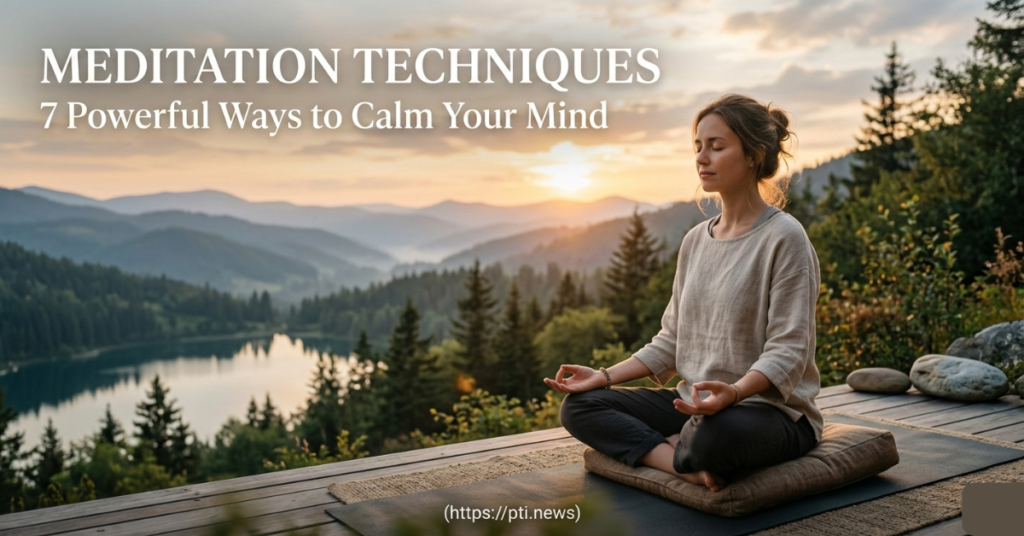
Life in the United States often moves at a fast pace. Busy work schedules, constant digital distractions, and daily responsibilities can make it difficult for people to relax and focus. Because of this, many individuals are turning to meditation techniques as a simple way to calm their minds and regain balance. Meditation is not complicated, and it does not require special equipment. Anyone can practice it at home with only a few minutes of quiet time each day. Many beginners start with simple meditation techniques that focus on breathing and awareness. Over time, these methods can become a powerful part of a daily meditation practice that improves mental clarity and emotional well-being. In this article, we explore seven effective methods that can help anyone learn meditation techniques for beginners and bring calm into everyday life.
Understanding Meditation and Its Benefits
Before learning different methods, it is helpful to understand why meditation is so effective. Meditation trains the mind to focus and stay present instead of constantly worrying about the past or future. Many people begin exploring the best meditation techniques because they want to reduce stress, improve concentration, and feel more emotionally balanced. Scientific research shows that meditation can support mental health and encourage relaxation. Another reason people practice meditation is the wide range of benefits of meditation. These benefits include improved focus, better sleep, reduced anxiety, and stronger emotional control. Even practicing for a few minutes daily can make a noticeable difference.
Deep Breathing Meditation
How Breathing Helps Calm the Mind
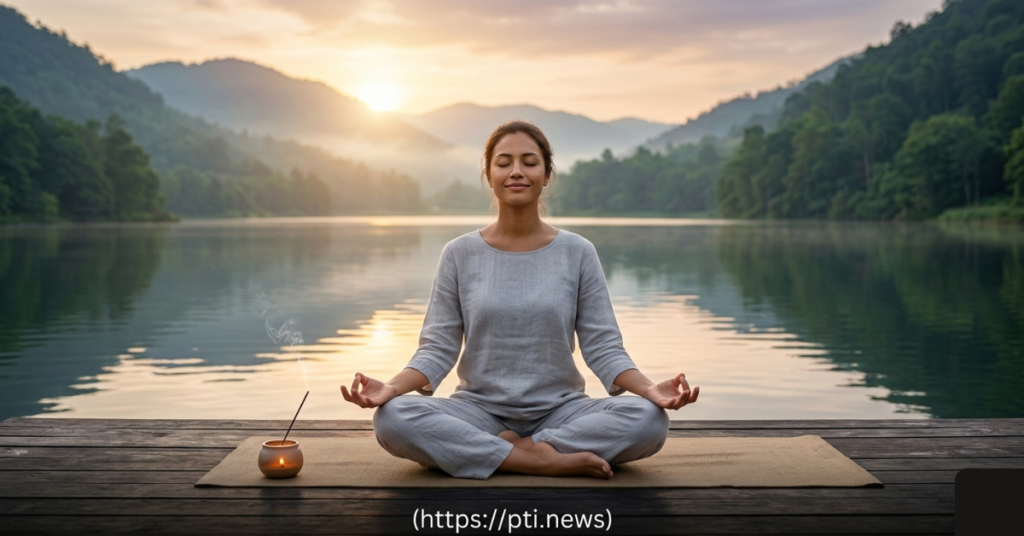
One of the most popular meditation techniques for stress relief involves controlled breathing. Slow breathing helps relax the nervous system and sends calming signals to the brain.
How to Practice?
Sit comfortably in a quiet space. Close your eyes and take a slow breath through your nose. Hold it briefly, then slowly breathe out through your mouth. Continue this pattern for several minutes. These breathing meditation methods are often recommended for beginners because they are easy to learn and immediately relaxing.
Mindfulness Meditation
Focusing on the Present Moment
Mindfulness meditation encourages awareness of the present moment. Instead of letting thoughts wander, the mind focuses on breathing, sounds, or body sensations.
Simple Practice Method
Sit quietly and pay attention to your breath. If thoughts appear, simply notice them and gently return your focus to breathing. Many people who want to learn how to meditate at home begin with mindfulness because it requires no special tools or preparation.
Body Scan Meditation
Relaxing the Body Step by Step
Body scan meditation helps release physical tension by focusing attention on different parts of the body.
How does it work?
Start by sitting or lying down comfortably. Slowly move your attention from your feet upward toward your head. Notice any tension and allow those areas to relax. This technique is often included among the best meditation techniques because it helps both the body and mind relax.
Visualization Meditation
Creating Peaceful Mental Images
Visualization is another powerful method among simple meditation techniques. Instead of focusing only on breathing, you imagine a peaceful scene such as a quiet beach or calm forest.
How to Practice?
Close your eyes and picture a place where you feel relaxed. Imagine the sounds, colors, and atmosphere of that environment. Allow your mind to stay in that peaceful setting for several minutes. Visualization can help shift attention away from stress and guide the mind toward calm thinking.
Loving-Kindness Meditation
Building Positive Feelings
Loving-kindness meditation focuses on sending kind thoughts toward yourself and others.
Practice Method
Sit quietly and repeat positive phrases wishing peace, happiness, and health for yourself and the people around you. Many people include this technique in their daily meditation practice because it strengthens emotional awareness and encourages compassion.
Walking Meditation
Meditation Through Movement
Not all meditation techniques require sitting still. Walking meditation allows people to practice awareness while moving slowly.
Steps to Try
Walk slowly in a quiet area and pay attention to each step you take. Focus on your breathing and notice the rhythm of your movement. This method is especially useful for people who find sitting meditation difficult.
Guided Meditation Helpful for Beginners
Guided meditation involves listening to instructions from a narrator or a recording that leads you through a relaxation session.
Do you know why it works?
Guided sessions can make it easier for beginners to learn meditation techniques because they provide clear direction and structure. Many people use guided sessions when they start learning how to meditate at home.
Conclusion
Meditation can be a powerful tool for improving mental clarity and emotional well-being. By practicing simple methods regularly, people can gradually build a calmer and more focused mindset. The meditation techniques discussed in this article offer practical ways to reduce stress and improve daily life. Whether someone prefers breathing exercises, mindfulness meditation, or walking meditation, the most important step is consistency. A few minutes of meditation each day can slowly create positive changes in how the mind responds to challenges and stress.
What are meditation techniques?
Meditation techniques are simple mental practices that help improve focus, relaxation, and emotional balance.
Which meditation technique is best for beginners?
Deep breathing and mindfulness meditation are often the easiest methods for beginners.
Can meditation help reduce stress?
Yes, many meditation techniques for stress relief help calm the mind and relax the body.
How long should I meditate daily?
Most beginners start with 5–10 minutes and gradually increase their daily meditation practice.
Can I learn how to meditate at home?
Yes, many people successfully practice meditation at home using simple meditation techniques.
Informational Table:
| Meditation Technique | Main Focus | Key Benefit | Ideal Duration |
| Deep Breathing Meditation | Controlled breathing | Reduces stress quickly | 5–10 minutes |
| Mindfulness Meditation | Present moment awareness | Improves concentration | 10–20 minutes |
| Body Scan Meditation | Body relaxation | Releases physical tension | 10–15 minutes |
| Visualization Meditation | Positive mental imagery | Promotes calm thinking | 10–15 minutes |
| Loving-Kindness Meditation | Positive emotions | Builds compassion | 10 minutes |
| Walking Meditation | Mindful movement | Improves focus | 10–20 minutes |
| Guided Meditation | Instructor guidance | Easy for beginners | 10–20 minutes |