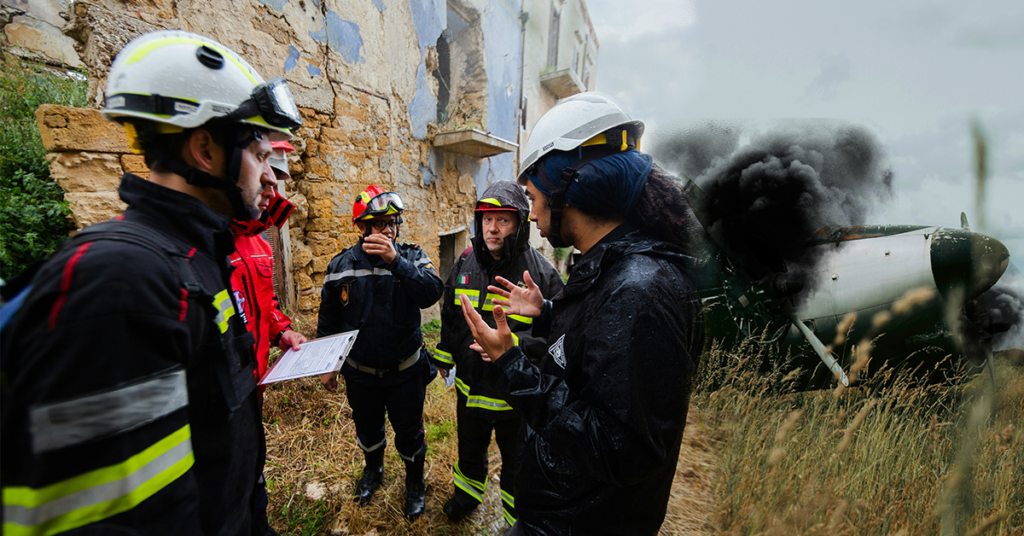
Plane Crash Introduction
Air travel is generally considered safe, but when a plane crash happens, it captures worldwide attention and brings up significant queries regarding air travel safety procedures. Within the United States, reports of every aircraft mishap trigger comprehensive inquiries to pinpoint underlying causes, evaluate losses, and suggest safety enhancements. Spanning from major carriers to smaller private planes, each event offers significant takeaways for aviators, travelers, and regulators. Furthermore, these reviews aid in averting comparable accidents going forward. This piece examines five primary insights gathered from recent analyses of aviation accident documentation, emphasizing protective actions, human elements, and knowledge gained from earlier occurrences.
Key Findings from Recent Plane Crashes
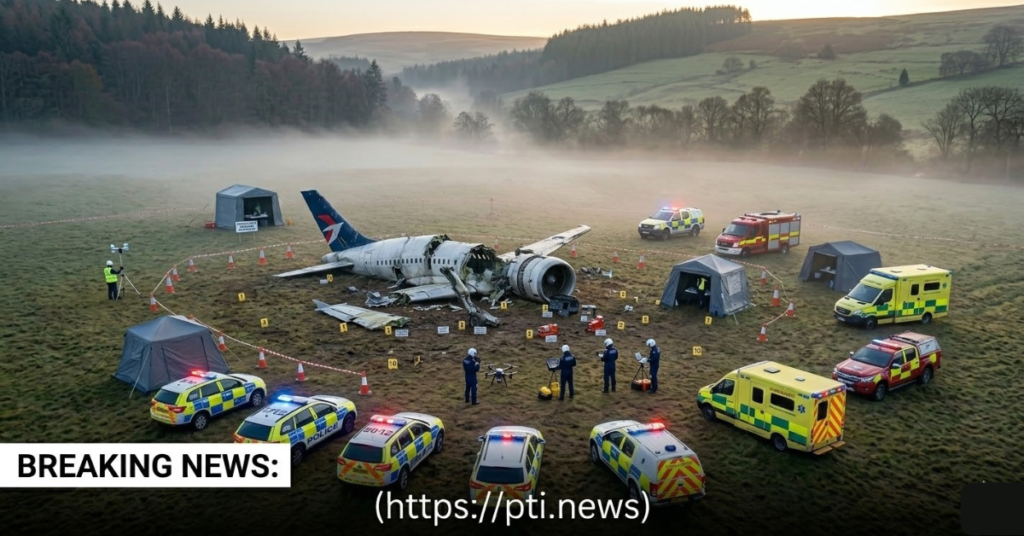
Plane Crash Mechanical Failures and Malfunctions
Mechanical breakdowns are a very common factor in aviation mishaps. Investigators carefully scrutinize airplane propulsion systems, guidance mechanisms, and the soundness of the airframe to pinpoint possible defects. Often, neglected upkeep, technical glitches, or the natural deterioration of key parts can result in major events. Accident documentation frequently furnishes in-depth descriptions of the mechanical problems involved in emergencies. Reviewing this documentation allows carriers to revise servicing intervals, enforce more rigorous checks, and confirm that aircraft adhere to safety regulations before takeoff.
Pilot Response and Human Error
Human error is another major factor in aviation safety. Many plane crash Findings indicate that pilot choices, slow responses, or errors stemming from pressure can affect the result of an aviation mishap. Researchers examine audio from the cockpit, flight data records, and exchanges between flight crew and ground control to grasp the sequence of occurrences before an accident. This knowledge then shapes improved flight crew education, strengthens emergency procedure exercises, and highlights the necessity of maintaining awareness of the surroundings. Through examining earlier failures, carriers and regulatory bodies strive to lower the probability of comparable events occurring subsequently.
Plane Crash Weather and Environmental Conditions
Environmental and weather factors play a central role in many aviation incidents. Severe storms, high winds, poor visibility, icy runways, or unexpected turbulence can compromise aircraft stability. Investigators combine aviation incident updates with meteorological data to determine how weather conditions contributed to an accident. Understanding these elements allows aviation authorities to implement safety guidelines for flight operations in adverse weather, ensuring that both pilots and air traffic controllers can make informed decisions during challenging conditions.
Emergency Landings and Survival Outcomes
Timely emergency response can often prevent a disaster from becoming catastrophic. Reports on plane crash survivors demonstrate how swift decisions by pilots, flight crews, and airport emergency teams save lives. Investigators analyze how emergency landings were executed, assess airport readiness, and evaluate passenger safety measures. These insights help improve evacuation procedures, safety training, and coordination among first responders, ultimately increasing survival rates during aviation emergencies.
Regulatory and Safety Recommendations
Every inquiry into a commercial air crash results in practical suggestions for boosting air travel security. These might encompass new rules, adjusted upkeep timelines, reinforced flight crew instruction methods, or better air traffic handling steps. Through implementing these proposals, governing bodies seek to avoid subsequent incidents and bolster complete carrier safety. Ongoing revisions to aeronautical standards are vital for adjusting to emerging technologies, shifting atmospheric conditions, and developing human elements in flying tasks.
Technological Factors in Plane Crashes
Modern aircraft rely heavily on advanced avionics and automated systems, but technical failures can still contribute to a plane crash. Investigators study sensors, navigation systems, and engine monitoring tools to determine if a malfunction played a role. Understanding these technological factors helps engineers design more reliable systems for future flights. These insights lead to improved aircraft diagnostics, better pre-flight checks, and enhanced maintenance routines. By analyzing technological failures in a plane crash, airlines can reduce risks and enhance overall flight safety.
Lessons Learned from Survivors
Survivor experiences provide crucial information about the safety effectiveness during a plane crash. Reports often reveal how passengers and crew responded, which emergency procedures were successful, and which areas need improvement. These firsthand accounts help investigators refine safety recommendations. Incorporating lessons from survivors allows airlines to enhance evacuation plans, train crew for real-life scenarios, and educate passengers on emergency protocols. Studying survival outcomes in a plane crash ensures that lives are better protected in future incidents.
Plane Crash Conclusion
Recent plane crash News coverage underscores the need for thorough examination, human awareness, and steady enhancements in air travel security. Concerns ranging from equipment malfunctions and crew reactions to weather risks and urgent protocols—each occurrence yields important takeaways. Reviewing aviation crash findings provides perspective on developing patterns and highlights the work of examiners and bodies dedicated to safeguarding travelers and staff. Through grasping these vital aspects, the flight sector persistently elevates safety benchmarks globally, paving the way for more secure journeys for all.
1. What is a plane crash or aircraft accident?
An aircraft accident occurs when a plane unintentionally hits the ground, another object, or experiences a serious failure, causing damage or injuries to passengers and crew.
2. Who investigates plane crash incidents?
Aviation authorities and specialized investigation teams analyze aircraft accident reports, flight data, and cockpit recordings to determine causes and prevent future accidents.
3. What are common causes of aviation accidents?
Mechanical failures, pilot errors, adverse weather conditions, and operational mistakes are the most frequent factors leading to aviation accidents.
4. Can passengers survive a flight incident?
Yes, well-executed emergency procedures, quick reactions by pilots and crew, and adherence to safety protocols often save lives during flight incidents.
5. Where can I find the latest flight accident news?
Recent updates are available through trusted aviation news outlets, official aircraft accident reports, and emergency landing news sources.
6. How long does a plane crash investigation take?
Investigations can take weeks to months, depending on the complexity of the incident, the type of aircraft, and the available evidence.
7. What safety improvements result from plane crash investigations?
Findings often lead to updated maintenance protocols, improved pilot training, revised operational procedures, and better emergency response planning.
Optimized Informational Table: Aircraft Accident Investigation Highlights
| Aspect | Details | Importance |
| Plane Crash Mechanical Failures | Engine or system malfunctions | Helps improve maintenance and safety protocols |
| Pilot Response | Human error analysis | Improves training and emergency preparedness |
| Weather Conditions | Storms, wind, visibility | Enhances pre-flight planning and safety measures |
| Emergency Landings | Crew and airport actions | Increases survival rates during incidents |
| Regulatory Recommendations | Policy or procedural changes | Prevents future accidents and improves compliance |
| Plane Crash Analysis Summary | Combined investigation insights | Highlights key lessons and long-term safety improvements |