
Introduction
Mental health exercises are essential tools for maintaining a healthy mind and improving brain function. As we step into 2026, understanding the connection between mental exercises and cognitive performance is more crucial than ever. These exercises are designed to stimulate neuroplasticity, enhance memory, and support emotional well-being. By incorporating structured brain activities into your daily routine, you can improve focus, decision-making, and overall mental clarity.
In-Depth Content
Understanding Mental Health Exercises
Mental health exercises are activities that enhance cognitive abilities, emotional resilience, and mental agility. They are not limited to meditation or relaxation; they include a variety of structured practices such as brain games, memory exercises, and focus challenges.
Cognitive Skills Training
Cognitive skills training focuses on improving attention, memory, and problem-solving abilities. Regular practice can strengthen neural pathways and support long-term brain health. Techniques often include pattern recognition, logic puzzles, and memory drills.
Memory Improvement Techniques
Memory exercises are critical for maintaining mental sharpness. Strategies include recalling lists, using mnemonic devices, and structured journaling. Engaging in these practices daily can significantly enhance memory retention and recall speed. Regularly challenging your memory with new patterns and sequences can also improve long-term cognitive resilience, helping you adapt better to complex tasks. Combining verbal, visual, and kinesthetic memory exercises strengthens overall brain function.
Neuroplasticity and Brain Adaptation
Neuroplasticity exercises encourage the brain to form new neural connections. Activities such as learning a new language, playing a musical instrument, or tackling complex problem-solving tasks support neural growth and adaptability. Even simple changes in daily routines, like taking a new route or switching handedness for tasks, stimulate neural adaptation. Over time, these exercises improve problem-solving skills and enhance the brain’s flexibility to handle novel challenges.
Mindfulness Practices
Mindfulness practices, such as focused breathing and guided meditation, promote calmness and improve focus. Integrating mindfulness into daily routines can enhance cognitive performance and emotional balance. Consistent mindfulness training also strengthens attention control and reduces mental fatigue, making it easier to stay present during challenging tasks. Practices like body scans or mindful walking further enhance awareness and help regulate stress responses effectively.
Focus Enhancement Techniques
Focus enhancement techniques include time-blocked work sessions, minimizing distractions, and practicing attention exercises. These methods help sustain concentration, particularly in high-stress or demanding environments. Additionally, combining focus exercises with short breaks and mental reset techniques, such as the Pomodoro method, can boost productivity. Over time, these practices improve sustained attention, allowing for deeper engagement in complex projects.
Emotional Well-being and Relaxation
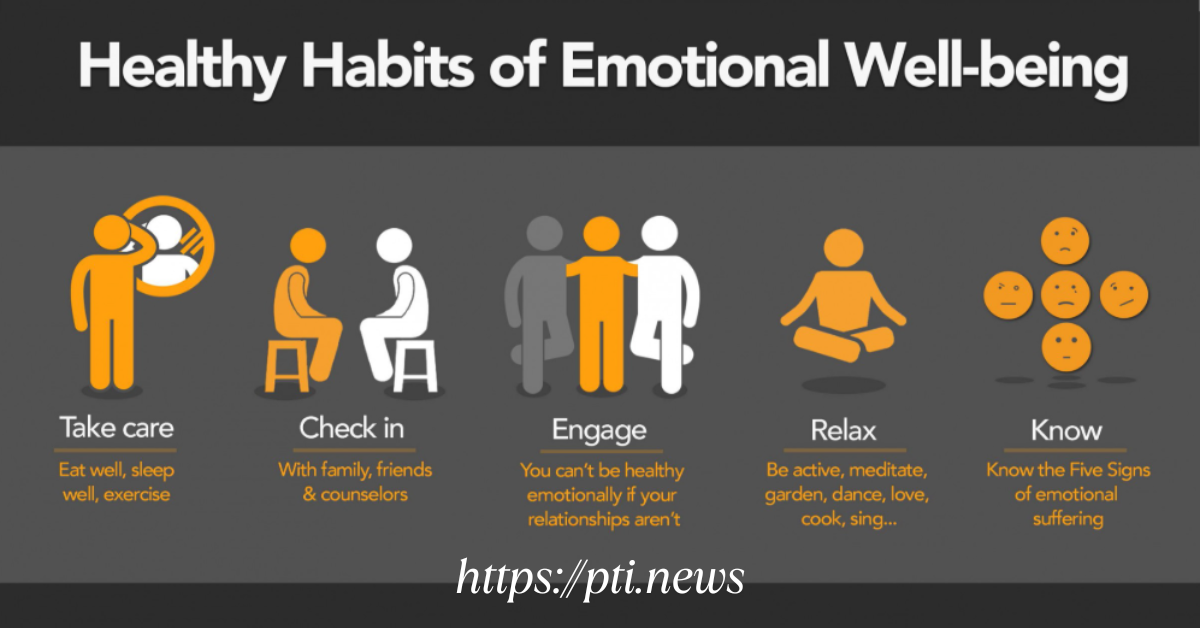
Maintaining emotional health is equally important as cognitive training. Relaxation strategies, such as yoga, light exercise, and progressive muscle relaxation, reduce stress and promote mental clarity. Emotional well-being workouts also incorporate journaling and social connection exercises. Cultivating gratitude and positive reflection as part of daily routines strengthens emotional resilience. A balanced emotional state enhances both decision-making and memory retention, creating a healthier mind-body connection.
Conclusion
Incorporating mental health exercises into daily routines can significantly enhance brain function, memory, and emotional well-being. By practicing cognitive skills, memory improvement techniques, mindfulness, and relaxation strategies, you are supporting a healthier, more resilient mind. Consistency is key to seeing measurable improvements over time. For continuous updates on mental health and wellness, visit https://pti.news/.
What are mental health exercises?
Activities designed to improve cognitive and emotional well-being.
How often should I practice these exercises?
Daily practice is recommended for maximum benefits.
Do mindfulness practices improve brain function?
Yes, they enhance focus, memory, and emotional regulation.
Can memory improvement techniques help with aging?
Absolutely, they support cognitive longevity.
Are physical exercises part of mental health routines?
Yes, they reduce stress and boost brain function.
Mental Health Exercises Informational Table
| Exercise Type | Mental Health Exercises Benefits | Recommended Duration | Example Activity | Focus Area |
| Cognitive Skills Training | Problem-solving, memory enhancement | 15–30 min daily | Logic puzzles, pattern games | Brain Function |
| Memory Improvement Techniques | Memory retention, recall speed | 10–20 min daily | Mnemonics, recall drills | Memory |
| Mindfulness Practices | Focus, stress reduction | 10–15 min daily | Breathing exercises, meditation | Attention, Emotional Well-being |
| Neuroplasticity Exercises | Neural connection, adaptability | 20–40 min weekly | Learning languages, music | Brain Flexibility |
| Relaxation Strategies | Emotional balance, stress management | 15–30 min daily | Yoga, journaling | Emotional Well-being |