Introduction
Healthy sleep habits are fundamental to maintaining physical, mental, and emotional well-being. A structured approach to rest ensures that the body and mind can fully recover, enhancing energy, focus, and overall quality of life. In 2026, prioritizing healthy sleep habits has become more important than ever, as lifestyle demands and digital distractions can easily disrupt sleep patterns. By incorporating restful sleep techniques, consistent bedtime rituals, and mindfulness practices, individuals can create a routine that supports optimal health and long-term wellness.
Understanding Healthy Sleep Habits
Healthy sleep habits involve consistent practices that promote uninterrupted, restorative sleep. Establishing a nightly routine, adjusting the sleep environment, and managing stress are critical for maintaining a balanced sleep cycle. By prioritizing sleep, individuals can improve memory retention, mood regulation, and immune function. Regular sleep also supports metabolic health, hormonal balance, and overall cognitive performance. Paying attention to sleep quality, not just duration, is essential for long-term wellness.
Restful Sleep Techniques
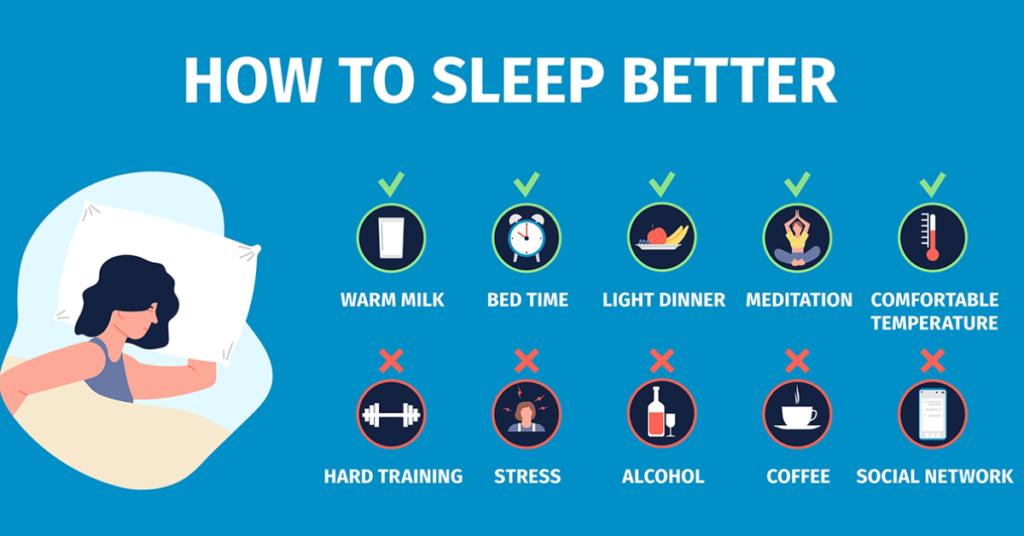
Restful sleep techniques focus on creating conditions that support deep, uninterrupted rest. Techniques include limiting caffeine and heavy meals before bedtime, dimming lights in the evening, and practicing calming exercises such as stretching or meditation. These actions enhance the body’s natural ability to fall asleep and stay asleep. Engaging in gentle pre-sleep activities, like reading or listening to soothing music, can further prepare the mind and body for deep rest. A consistent nighttime environment reinforces these habits.
Sleep Routine Practices
A consistent sleep routine encourages the body to follow a predictable pattern, aligning with the natural circadian rhythm. Setting a regular bedtime, waking up at the same time daily, and scheduling relaxing pre-sleep activities are all essential for maintaining a healthy sleep schedule. Tracking sleep patterns and adjusting routines gradually helps the body adapt more effectively. Integrating light exposure and physical activity at the right times strengthens circadian alignment.
Nighttime Relaxation Strategies
Incorporating nighttime relaxation strategies improves the quality of rest and prepares the mind for deep sleep. These strategies reduce stress, lower heart rate, and promote a sense of calm before bed. Techniques like progressive muscle relaxation or warm baths can ease tension and signal the body that it’s time to sleep. Consistent relaxation rituals enhance overall sleep satisfaction.
Pre-Sleep Mindfulness
Mindfulness practices before sleep, such as meditation, guided breathing, or journaling, help clear mental clutter and reduce anxiety. This prepares the brain to enter restorative sleep phases, ensuring optimal rest and recovery. Focusing on the present moment and letting go of intrusive thoughts reduces nighttime awakenings. Visualization techniques can also calm the nervous system for deeper sleep.
Stress Reduction Sleep Tips
Managing stress throughout the day and especially before bed supports a smoother transition to sleep. Techniques such as gentle stretching, aromatherapy, and limiting screen time contribute to reduced cortisol levels and improved sleep quality. Incorporating short mindfulness breaks during the day further prevents accumulated tension. Mindful breathing before bedtime can act as a reset for both mind and body.
Optimizing Sleep Environment
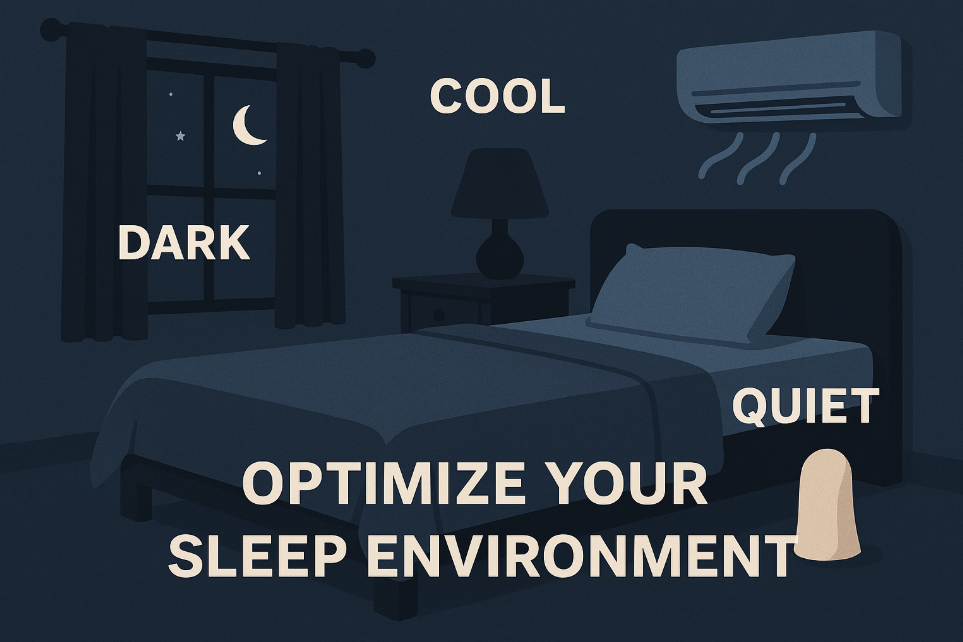
A well-designed sleep environment plays a pivotal role in achieving restful sleep. Factors such as room temperature, lighting, noise levels, and bedding comfort directly influence the quality of rest. Blackout curtains, noise-canceling solutions, and quality mattresses further enhance comfort. Personalizing the sleep environment based on individual preferences supports uninterrupted sleep cycles.
Sleep Environment Optimization
Creating a bedroom that supports relaxation includes controlling light exposure, reducing noise, maintaining a cool room temperature, and using comfortable bedding. These adjustments encourage longer and more restorative sleep cycles. Adding subtle scents, like lavender, or calming visuals can promote relaxation. Limiting electronic devices in the bedroom also helps maintain a sleep-conducive atmosphere.
Circadian Rhythm Adjustment
Aligning sleep schedules with the natural circadian rhythm enhances alertness and energy throughout the day. Exposure to natural sunlight during the morning, limiting artificial light at night, and following consistent sleep-wake times are key strategies. Morning exercise or brief outdoor walks reinforce natural circadian cues. Maintaining consistency even on weekends prevents disruption and improves overall sleep quality.
Consistent Bedtime Rituals
Developing consistent bedtime rituals signals to the body that it is time to rest. These routines create a psychological and physiological transition from wakefulness to sleep, improving overall sleep efficiency. Simple rituals like reading, light stretching, or drinking herbal tea help the body relax. Over time, these rituals strengthen the sleep-wake association for faster sleep onset.
Quality Sleep Planning
Quality sleep planning involves assessing lifestyle habits, identifying disruptions, and implementing techniques that promote uninterrupted rest. Incorporating relaxation exercises, reducing caffeine intake, and maintaining a consistent routine contribute to long-term sleep health. Evaluating environmental factors, such as bedding and noise, ensures a supportive sleep setting. Scheduling sleep around natural energy peaks can further optimize restfulness.
Integrating Healthy Sleep Habits
Integrating healthy sleep habits into daily life requires dedication and consistency. By combining structured routines, mindfulness practices, and an optimized sleep environment, individuals can experience improved energy, focus, and mental clarity. Adopting these habits gradually ensures long-term adherence and enhances overall well-being. Over time, the combination of sleep quality and lifestyle adjustments contributes to a more balanced, productive life.
Conclusion
Adopting healthy sleep habits and strategic rest routines ensures restorative sleep, improved mental clarity, and enhanced physical wellness. Prioritizing a consistent sleep schedule, optimizing the sleep environment, and practicing mindfulness before bed are essential steps for long-term health. Incorporating these habits into daily life promotes energy, focus, and resilience. For ongoing tips and guidance, visit https://pti.news/ for updates.
What are healthy sleep habits?
Practices that promote consistent, restorative, and uninterrupted sleep.
How can I improve my sleep routine?
By maintaining a consistent bedtime, pre-sleep mindfulness, and a calm environment.
Does sleep affect mental clarity?
Yes, restorative sleep supports focus, memory, and cognitive performance.
What is the best environment for sleep?
A cool, dark, quiet room with comfortable bedding is ideal.
Can bedtime rituals improve sleep quality?
Yes, routines help signal the body to prepare for deep and restorative rest.
Informational Table
| Component | Example Practices | Key Benefits | Recommended Duration | Focus Area |
| Restful Sleep Techniques | Meditation, Stretching, Journaling | Deeper sleep, reduced stress | 10–15 min | Mind & Body Relaxation |
| Sleep Routine Practices | Regular bedtime/wake time | Circadian rhythm alignment | Daily | Consistency & Energy |
| Nighttime Relaxation Strategies | Breathing, Aromatherapy, Gentle Yoga | Stress reduction, calmness | 10–15 min | Relaxation & Recovery |
| Sleep Environment Optimization | Dark room, cool temp, comfortable bed | Enhanced rest, improved alertness | Nightly | Sleep Quality |
| Consistent Bedtime Rituals | Warm shower, reading, mindfulness | Signals body for sleep, restful rest | 15 min | Routine & Transition |