Introduction
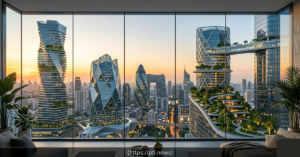
The global urban landscape is undergoing a profound transformation as Future City Projects introduce intelligent, sustainable, and technology-driven urban environments. These developments highlight how cities can integrate renewable energy, smart infrastructure, and innovative urban planning to enhance quality of life while reducing environmental impact. In 2026, these projects are inspiring governments, architects, and communities in the USA and around the world. Understanding the trends, strategies, and innovations behind future city projects is crucial for stakeholders and citizens aiming to adapt to a rapidly evolving urban environment.
Main Material
Key Features of Future City Projects
Smart Infrastructure Integration
Modern urban designs rely on interconnected systems that optimize traffic, utilities, and public services.
Intelligent Transportation
Self-driving vehicles, electric public transit, and dynamic traffic management improve efficiency and reduce emissions.
Energy Management Systems
Smart grids, renewable energy sources, and real-time monitoring ensure sustainable power distribution.
Sustainable Urban Planning
Green spaces, eco-friendly building materials, and water-efficient systems are essential elements of future city projects.
Vertical and Green Architecture
High-rise buildings incorporate vertical gardens, rooftop farms, and energy-saving designs to enhance urban sustainability.
Waste Management Innovations
Advanced recycling, waste-to-energy systems, and circular economy models reduce environmental impact.
Digital Connectivity and IoT
Connected devices and Internet of Things (IoT) solutions allow seamless city operations and improved resident experiences.
Data-Driven Decision Making
Sensors and analytics enable proactive maintenance, resource optimization, and better city services.
Citizen Engagement Platforms
Residents can provide feedback, access city resources, and participate in governance through digital platforms.
smart city development strategies
Incorporating smart city development strategies ensures that cities not only adopt cutting-edge technology but also remain inclusive, resilient, and sustainable.
Public-Private Collaboration
Joint initiatives between governments, corporations, and research institutions accelerate innovation and infrastructure development.
Climate Resilience Measures
Cities integrate flood defenses, heat mitigation techniques, and green corridors to adapt to climate change.
Notable Future City Projects Worldwide
1. Neom, Saudi Arabia
A futuristic mega-city emphasizing renewable energy, AI integration, and sustainable living.
2. Masdar City, UAE
An eco-city pioneering clean energy, zero-carbon initiatives, and sustainable urban design.
3. Songdo, South Korea
A smart city integrating IoT, advanced transportation, and efficient public services.
4. Shenzhen, China
Innovative urban planning combined with tech-driven infrastructure and green policies.
5. Helsinki, Finland
Smart city initiatives focus on digital governance, citizen engagement, and sustainable mobility.
6. Toronto Waterfront, Canada
Revitalized urban area prioritizing energy efficiency, smart infrastructure, and community-focused planning.
Conclusion
Future City Projects exemplify the next generation of urban innovation, blending technology, sustainability, and human-centered design. By embracing smart city development strategies, cities worldwide are creating environments that are not only efficient and connected but also resilient and inspiring for future generations. These projects demonstrate that the future of urban living is both practical and visionary, offering lessons for governments, developers, and citizens eager to shape sustainable, intelligent communities.
What are future city projects?
They are urban development initiatives integrating technology, sustainability, and smart infrastructure.
How do smart cities benefit residents?
They offer efficient services, reduced environmental impact, and improved quality of life.
Which technologies are central to smart cities?
IoT systems, renewable energy, intelligent transportation, and digital governance platforms.
Are future city projects environmentally friendly?
Yes, they focus on renewable energy, green spaces, and sustainable urban planning.
Can USA cities adopt these strategies?
Many cities in the USA are piloting smart infrastructure, sustainable design, and citizen-focused solutions.
Informational Table
| City Project | Key Focus Areas | Innovative Features |
| Neom, Saudi Arabia | AI, Renewable Energy | Mega-city with sustainable tech |
| Masdar City, UAE | Eco-living, Clean Energy | Zero-carbon buildings, solar energy |
| Songdo, S. Korea | IoT, Smart Transport | Integrated data-driven systems |
| Shenzhen, China | Urban Innovation, Green Policies | Smart infrastructure, tech hubs |
| Helsinki, Finland | Digital Governance, Mobility | Citizen engagement platforms |
| Toronto Waterfront | Energy Efficiency, Community | Smart grids, urban revitalization |