Introduction
Modern cities are evolving rapidly, and Modern Urban Architecture Styles are at the heart of this transformation. In 2026, urban spaces are no longer just about buildings—they represent innovation, sustainability, and intelligent design. These styles combine aesthetics with functionality, creating environments that are both visually striking and highly efficient. Across the USA, architects are reimagining city landscapes using advanced materials, eco-friendly methods, and smart technologies. The rise of Modern Urban Architecture Styles reflects a growing need for adaptable spaces that support modern living while respecting the environment.
Evolution of Urban Architecture
Urban architecture has undergone significant changes over the years, leading to innovative city designs.
From Traditional to Modern City Design
Cities once focused on functionality, but now aesthetics and sustainability are equally important. Modern Urban Architecture Styles integrate artistic expression with practical needs.
Influence of Technology on Architecture
Technology has revolutionized construction methods. Smart systems and digital planning are now essential in shaping Modern Urban Architecture Styles, making buildings more efficient and adaptive.
Key Features of Modern Urban Architecture Styles
Modern urban designs are defined by several unique characteristics.
Integration of Smart Technology
Smart buildings are a major part of Modern Urban Architecture Styles. They include automated lighting, energy systems, and climate control to improve efficiency.
Focus on Sustainability
Sustainability plays a vital role in urban design. Concepts like sustainable architecture and green building design are widely used to reduce environmental impact.
Minimalist and Functional Design
Clean lines, open spaces, and functional layouts define modern architecture. These elements are central to Modern Urban Architecture Styles, ensuring both beauty and practicality.
Sustainable and Eco-Friendly Architecture
Environmental responsibility is a key focus in modern design.
Green Building Practices
Buildings are designed with energy-efficient systems and eco-friendly materials. Modern Urban Architecture Styles promote the use of renewable energy sources and sustainable construction.
Use of Natural Elements
Incorporating plants, sunlight, and ventilation improves living conditions. This approach enhances eco-friendly structures within urban environments.
Energy Efficiency in Buildings
Modern buildings are designed to consume less energy. Modern Urban Architecture Styles emphasize reducing carbon footprints through smart systems and insulation techniques.
Smart City Architecture and Innovation
Technology-driven cities are shaping the future of urban living.
Intelligent Infrastructure
Smart infrastructure includes sensors, automated systems, and digital connectivity. These features define advanced smart city architecture.
Data-Driven Urban Planning
Cities use data to improve traffic flow, energy usage, and public services. This is a core part of modern city design.
Connectivity and IoT Integration
The Internet of Things connects devices and systems within cities. This enhances futuristic city planning and improves urban efficiency.
Futuristic Design Trends in 2026
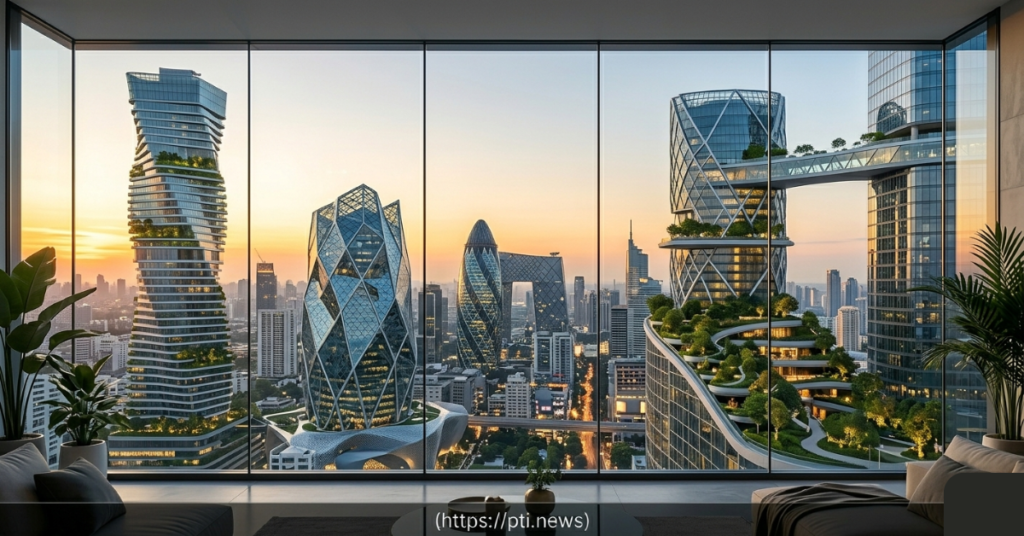
Urban architecture is becoming more innovative and visionary, reflecting the rapid evolution of Modern Urban Architecture Styles. Cities are no longer static—they are dynamic environments designed to adapt, grow, and inspire. These futuristic trends are redefining how people live and interact within urban spaces. Through Modern Urban Architecture Styles, architects are creating designs that combine creativity, technology, and sustainability for the future.
Vertical Cities and Skyscrapers
High-rise buildings are becoming more common due to limited space in urban areas. These structures represent advanced Modern Urban Architecture Styles and maximize land usage efficiently. They also symbolize modern growth and technological advancement in architecture. With Modern Urban Architecture Styles, skyscrapers are designed with smart systems, energy efficiency, and aesthetic appeal to shape futuristic skylines.
Mixed-Use Developments
Buildings now combine residential, commercial, and recreational spaces in a single structure. This trend supports efficient urban architecture trends and promotes convenience for city dwellers. These developments reduce the need for long commutes and encourage a balanced lifestyle. In Modern Urban Architecture Styles, mixed-use spaces are essential for creating vibrant and connected communities.
Adaptive and Flexible Spaces
Modern spaces are designed to adapt to different uses, making them highly versatile and functional. This flexibility is a key feature of contemporary buildings. Such spaces can easily transform based on needs, whether for work, living, or recreation. Modern Urban Architecture Styles emphasize adaptability, ensuring buildings remain relevant and useful in a rapidly changing world.
Materials and Construction Innovations
New materials are transforming architecture by improving strength, efficiency, and sustainability in modern construction. These advancements are reshaping Modern Urban Architecture Styles, making buildings more durable and environmentally responsible.
Advanced Building Materials
Modern materials are stronger, lighter, and more sustainable. These innovations support Modern Urban Architecture Styles and help architects design long-lasting structures with improved performance. They also enhance flexibility in design and allow for innovative shapes and structures. With the rise of Modern Urban Architecture Styles, these materials are becoming essential in creating efficient and futuristic buildings.
Modular Construction Techniques
Prefabricated sections are used to speed up construction, making the building process faster and more cost-effective. This method is becoming increasingly popular in modern city design. These techniques reduce construction time while maintaining high quality and precision. Within Modern Urban Architecture Styles, modular construction supports scalability and efficiency in urban development.
Eco-Friendly Construction Methods
Green building techniques minimize waste and reduce environmental impact, making construction more sustainable and responsible. This approach aligns with sustainable architecture practices. These methods also focus on energy efficiency and resource conservation, which are key aspects of Modern Urban Architecture Styles. By using eco-friendly construction, cities can achieve a balance between development and environmental protection.
Urban Living and Lifestyle Impact
Architecture directly affects how people live and interact in cities. Modern Urban Architecture Styles play a crucial role in shaping daily routines and overall urban experiences. Thoughtful design influences not only buildings but also the way communities connect and grow. The evolution of Modern Urban Architecture Styles ensures cities become more livable and human-centered.
Improved Quality of Life
Modern designs create comfortable and efficient living spaces. Modern Urban Architecture Styles enhance everyday life by improving functionality and aesthetics. These designs focus on comfort, natural lighting, and space utilization to support healthier lifestyles. With Modern Urban Architecture Styles, urban residents experience better living conditions and improved well-being.
Community-Centered Spaces
Public areas and green zones encourage social interaction and stronger community bonds. This supports better urban living experiences through shared spaces and inclusive design. Parks, plazas, and recreational areas are essential parts of Modern Urban Architecture Styles, promoting social engagement and relaxation. These thoughtfully designed spaces help build a sense of belonging within urban environments.
Enhanced Mobility and Accessibility
Modern cities are designed for easy movement and accessibility, improving daily life for residents. Modern Urban Architecture Styles prioritize efficient transportation and smooth connectivity. Wide roads, pedestrian-friendly pathways, and smart transit systems are key features. These elements ensure that Modern Urban Architecture Styles support convenient and accessible urban living for everyone.
Conclusion
Modern Urban Architecture Styles are shaping the future of cities by combining innovation, sustainability, and technology. From smart buildings to eco-friendly structures, these designs reflect the evolving needs of modern society. As urban spaces continue to grow, these architectural styles will play a crucial role in creating efficient, beautiful, and sustainable environments. For more updates on modern trends and insights, visit https://pti.news/
What are Modern Urban Architecture Styles?
They are contemporary design approaches that combine innovation, sustainability, and functionality in city planning.
Why are sustainable materials important in modern architecture?
They reduce environmental impact and promote eco-friendly construction practices.
How does technology influence urban architecture?
Technology enables smart systems, efficient designs, and improved building performance.
What is smart city architecture?
It involves using technology and data to create efficient, connected, and intelligent urban environments.
What are the benefits of modern urban design?
It improves quality of life, enhances sustainability, and supports efficient city living.
Informational Table
| Feature | Description | Benefit | Example | Impact |
| Smart Technology | Automated systems in buildings | Energy efficiency | Smart lighting | Reduced energy use |
| Sustainability | Eco-friendly construction | Environmental protection | Green roofs | Lower carbon footprint |
| Modular Design | Prefabricated structures | Faster construction | Modular homes | Cost efficiency |
| Mixed-Use Spaces | Combined building functions | Convenience | Urban complexes | Efficient land use |
| Vertical Expansion | Skyscrapers and tall buildings | Space optimization | High-rise towers | Urban density management |