Introduction
Natural energy foods play a vital role in maintaining vitality and sustaining focus throughout the day. By integrating these foods into a strategic nutrition plan, individuals can support metabolism, mental clarity, and overall well-being. In 2026, understanding how energy-rich foods affect the body is more critical than ever. Beyond simply eating for calories, a thoughtful approach to nutrition enhances productivity, stamina, and long-term health.
In-Depth Content
What Are Natural Energy Foods?
Natural energy foods are nutrient-dense options that provide sustained energy without causing sugar crashes or fatigue. They include whole grains, lean proteins, fruits, vegetables, and healthy fats. These foods supply essential vitamins, minerals, and macronutrients needed to fuel physical and mental activities.
Key Energy-Boosting Foods
Incorporating a mix of complex carbohydrates, lean proteins, and healthy fats helps maintain steady energy levels. Foods like oats, quinoa, nuts, and fatty fish deliver a slow release of energy while supporting cognitive function. Mindful eating practices, such as combining proteins with whole grains, enhance nutrient absorption and prolong vitality. Including a variety of colorful fruits and vegetables adds essential vitamins and minerals that further improve stamina. Rotating energy-boosting foods prevents nutrient deficiencies and keeps meals interesting.
Strategic Nutrition Planning
A strategic approach to nutrition focuses on timing meals and balancing macronutrients. Planning breakfast, lunch, and snacks around energy demands ensures that the body receives fuel when needed most. Energy-boosting meals should emphasize a balance of carbohydrates, protein, and healthy fats to avoid energy dips. Meal prepping and portion control also help maintain consistent energy levels throughout the day. Tailoring nutrition to daily activity patterns can maximize mental focus and physical performance.
Meal Timing Techniques
Eating at regular intervals supports metabolism and prevents fatigue. Consuming small, nutrient-rich meals every 3–4 hours provides consistent energy and aids focus. Integrating metabolism-enhancing foods like green vegetables and lean protein helps regulate blood sugar and sustain vitality. Skipping meals or irregular eating can lead to energy crashes and impaired concentration. Properly spaced meals help stabilize hormonal responses and support overall metabolic health.
Focus and Vitality Foods
Certain foods improve both physical energy and mental clarity. Examples include almonds for sustained energy, blueberries for cognitive support, and spinach for iron and antioxidants. Combining these foods into daily meals promotes alertness and endurance throughout the day. Other options like eggs, chia seeds, and green tea provide lasting energy while supporting brain function. Including variety ensures a broader range of nutrients, enhancing both mental and physical performance.
Balanced Diet Strategies
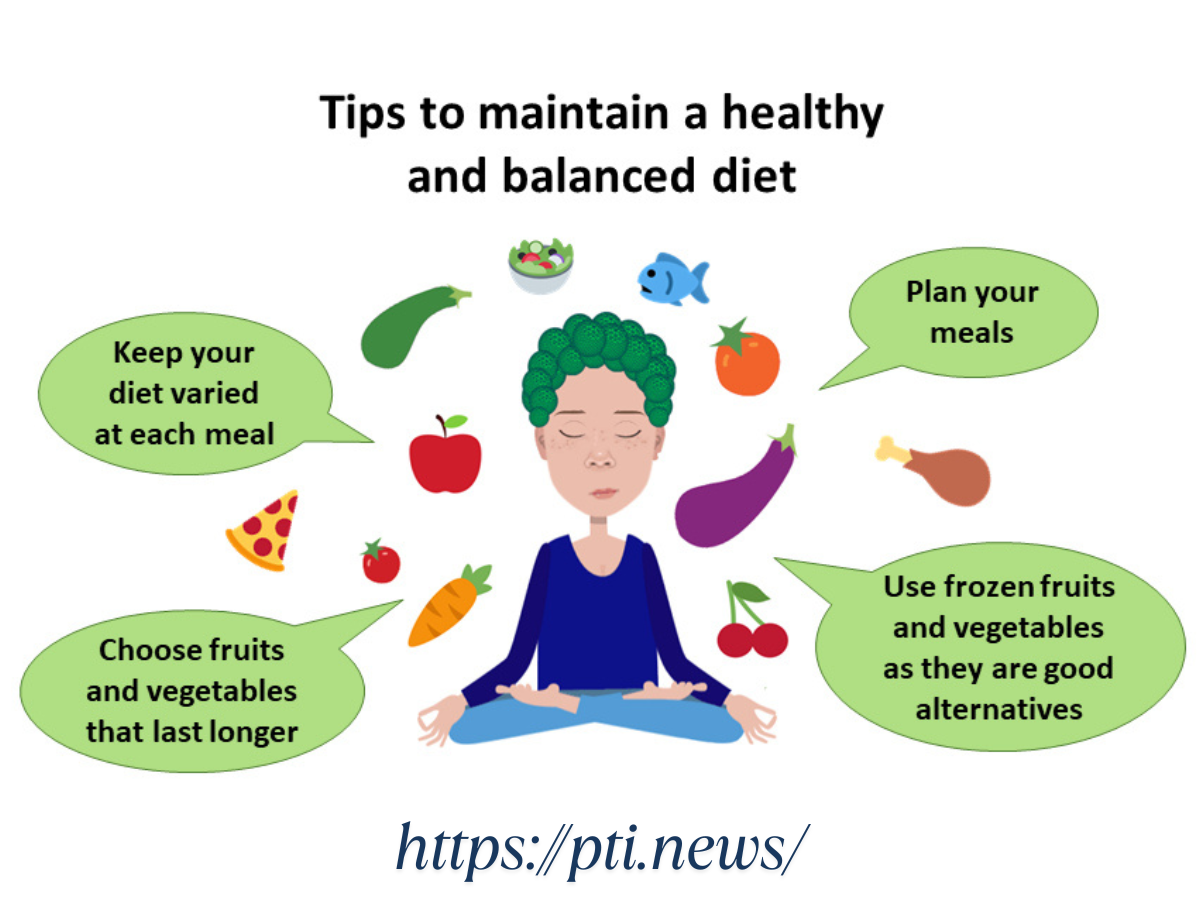
Balanced diet strategies ensure that all macronutrients and essential vitamins are incorporated. This includes pairing carbohydrate sources with proteins and fats to slow digestion and maximize energy utilization. Mindful eating practices, such as chewing thoroughly and avoiding processed sugars, further support sustained energy levels. Incorporating micronutrients like magnesium and B vitamins can further optimize energy production. A well-rounded diet also helps maintain stable moods and reduces afternoon fatigue.
Incorporating Hydration
Proper hydration is essential for maintaining energy. Water-rich fruits and vegetables complement natural energy foods, preventing fatigue and supporting metabolic processes. Dehydration can lead to low energy, headaches, and decreased focus, making hydration a critical component of daily routines. Combining fluids with electrolyte-rich foods like cucumbers, watermelon, and coconut water helps sustain long-lasting energy.
Sample Energy-Rich Meal Plan
A practical meal plan may include a breakfast of oatmeal with nuts and berries, a lunch of grilled salmon with quinoa and vegetables, and an afternoon snack of Greek yogurt with fruit. These combinations provide steady energy and essential nutrients. Dinner could feature lean chicken with sweet potatoes and steamed broccoli, while evening snacks might include a handful of almonds or an apple. Following such a structured plan ensures balanced energy throughout the day and supports overall health.
Conclusion
Integrating natural energy foods into a strategic nutrition plan enhances both physical vitality and mental clarity. By focusing on energy-boosting meals, balanced diet strategies, and mindful eating practices, individuals can sustain high performance and well-being in 2026. Consistency in food choices and meal timing is key to long-term energy management. For ongoing tips and insights about health and nutrition, visit https://pti.news/.
What are natural energy foods?
Nutrient-rich foods that provide sustained energy without crashes.
How do energy-boosting meals improve focus?
They stabilize blood sugar and supply essential nutrients for cognitive function.
Can meal timing affect energy levels?
Yes, eating at regular intervals supports metabolism and maintains vitality.
Are hydration and natural energy foods connected?
Absolutely, water-rich foods prevent fatigue and support metabolism.
How can I plan a balanced energy diet?
Combine carbohydrates, proteins, and healthy fats in every meal for consistent energy.
Informational Table
| Food Category | Example Foods | Natural Energy Foods Key Benefits | Ideal Meal Timing | Natural Energy Foods Focus Area |
| Whole Grains | Oats, Quinoa | Slow-release energy, fiber | Breakfast or lunch | Energy & Focus |
| Lean Proteins | Chicken, Salmon, Eggs | Muscle support, sustained energy | Lunch or dinner | Physical & Cognitive Energy |
| Healthy Fats | Nuts, Avocado, Olive Oil | Long-term energy, brain health | Throughout the day | Mental Clarity |
| Fruits | Berries, Apples, Bananas | Antioxidants, glucose for energy | Snacks or breakfast | Focus & Vitality |
| Vegetables | Spinach, Broccoli, Kale | Iron, vitamins, metabolic support | Lunch or dinner | Overall Health |