Introduction
Air travel remains one of the safest forms of transportation in the modern world. Millions of flights operate every year across continents with strong safety systems in place. However, when a plane crash occurs, it receives global attention. In 2026, discussions about aviation safety continue as experts analyze trends, statistics, and risk factors. Understanding plane crash statistics and risk factors in 2026 helps travelers stay informed and reduces fear based on rumors. While accidents are rare, studying their causes improves safety standards. Organizations such as the International Air Transport Association and the Federal Aviation Administration monitor aviation data closely to prevent future incidents.
Global Plane Crash Statistics in 2026
Overall Safety Trends
In 2026, global aviation safety continues to improve due to advanced aircraft technology and stricter regulations. Commercial aviation accident rates remain extremely low compared to the number of flights worldwide. Each year, billions of passengers travel safely. Statistical reports show that the likelihood of being involved in a plane crash is far lower than in road accidents. This reflects decades of improvements in pilot training, aircraft design, and maintenance procedures.
Commercial vs Private Aviation
Commercial airlines follow strict international safety rules. As a result, major airline crashes are rare. However, private and small aircraft accidents occur more frequently. These incidents often involve weather conditions, pilot error, or mechanical issues. The difference in safety levels highlights the importance of structured oversight and standardized training.
Major Risk Factors Behind Plane Crashes
Although aviation is highly regulated, certain risk factors still contribute to accidents. Understanding these factors helps improve prevention strategies.
1. Human Error
Human error remains one of the leading causes of aviation incidents. Mistakes can happen during takeoff, landing, or communication between pilots and air traffic control. Fatigue, stress, and miscommunication can increase risks. Training programs in 2026 focus heavily on reducing human error through simulation exercises and crew coordination techniques.
2. Weather Conditions
Severe weather such as thunderstorms, heavy turbulence, and icy runways can create dangerous situations. While modern radar systems help pilots avoid storms, sudden changes in weather still pose challenges. Improved forecasting tools now provide real-time weather updates to flight crews.
3. Mechanical Failure
Modern aircraft undergo strict maintenance checks. However, mechanical problems can still occur. Engine failure, hydraulic issues, or system malfunctions may contribute to rare but serious accidents. Advanced monitoring systems now detect problems early, reducing the chance of sudden failure.
4. Bird Strikes and External Hazards
Bird strikes remain a known aviation risk. When birds collide with engines, they may cause damage. Airports use wildlife control programs to reduce such risks. Other external hazards include runway debris and drone interference, which have become new areas of concern.
5. Air Traffic Congestion
As global travel increases in 2026, crowded airspace requires precise coordination. Air traffic control systems use advanced digital technology to manage flights efficiently and safely.
Technological Improvements in 2026
Technology plays a major role in reducing plane crash risks. Aircraft systems now include advanced autopilot features and improved navigation tools. Artificial intelligence assists in monitoring aircraft performance. Predictive maintenance systems alert engineers before a problem becomes serious. Flight data recorders also provide detailed information for investigations. Organizations like the National Transportation Safety Board carefully analyze every major incident to improve safety recommendations. These technological advances contribute to a steady decline in accident rates.
The Investigation Process
When a plane crash occurs, investigators follow a structured process. The first step is securing the crash site. Next, experts recover flight recorders and examine aircraft parts. Investigators analyze pilot communication, weather conditions, and maintenance records. Their findings lead to safety recommendations. The purpose of investigations is not only to determine responsibility but also to prevent future accidents. Transparency in reporting helps maintain public trust.
Comparing 2026 to Previous Years
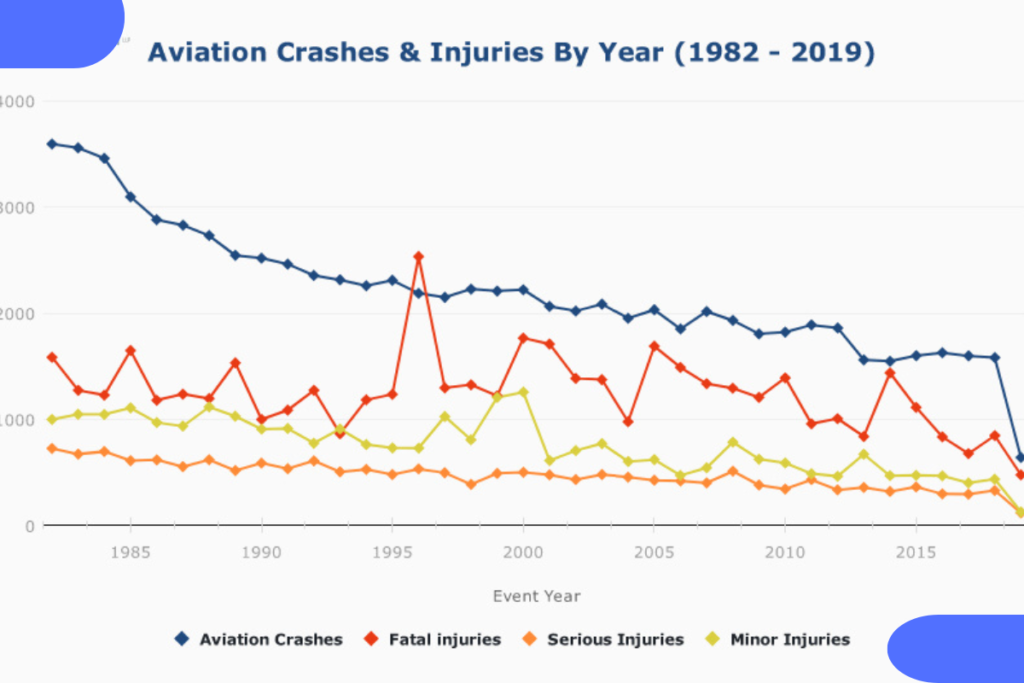
Compared to earlier decades, 2026 shows improved aviation safety. Accident rates per million flights have steadily declined over time. New aircraft models are built with stronger materials and more advanced safety systems. Training standards have also improved. Pilots now undergo continuous skill evaluations. Although headlines may create fear, data shows that commercial aviation remains highly secure.
How Airlines Reduce Risk?
Airlines invest heavily in safety programs. Regular aircraft inspections, pilot health monitoring, and safety audits are mandatory. Crew members receive emergency training for rare situations. Simulators allow pilots to practice handling engine failures and extreme weather scenarios. Airports also improve runway lighting and surveillance systems to reduce risk during takeoff and landing.
Public Perception vs Reality
Many people fear flying due to media coverage of rare accidents. However, statistics show that flying is much safer than driving. Understanding plane crash statistics and risk factors in 2026 helps reduce unnecessary anxiety. Aviation systems are designed with multiple layers of protection. Modern aircraft can handle system failures due to backup mechanisms. This layered approach increases overall safety.
Conclusion
Plane crash statistics and risk factors in 2026 show that aviation remains one of the safest travel methods worldwide. While risks exist, they are carefully monitored and managed. Human error, weather, and mechanical issues remain primary factors, but continuous improvements in technology and training reduce their impact. Aviation authorities and airlines work together to maintain strict safety standards. For more informative updates, the rest can visit my website: https://pti.news/
1. How common are plane crashes in 2026?
Plane crashes remain very rare compared to the number of flights worldwide.
2. What is the main cause of plane crashes?
Human error continues to be a leading contributing factor.
3. Are commercial flights safer than private planes?
Yes, commercial airlines follow stricter regulations and safety checks.
4. How do investigators find the cause of a crash?
They analyze flight data, cockpit recordings, and physical evidence.
5. Is flying safer than driving?
Yes, statistics show air travel is significantly safer than road travel.
Informational Table: Plane Crash Risk Overview 2026
| Risk Factor | Impact Level | Prevention Method |
| Human Error | High | Advanced pilot training & simulation |
| Severe Weather | Medium | Improved radar & forecasting systems |
| Mechanical Failure | Low | Predictive maintenance technology |
| Bird Strikes | Low | Airport wildlife management programs |
| Air Traffic Congestion | Medium | Digital air traffic control systems |