Introduction
Meditation techniques are simple practices that help calm the mind and relax the body. In today’s fast world, many people feel stressed, distracted, and mentally tired. Daily responsibilities, work pressure, and constant screen time make it difficult to slow down. This is where meditation techniques can help.
Understanding Meditation Techniques
Meditation techniques are methods that train your attention and awareness. The goal is not to stop thinking but to observe thoughts calmly. Over time, this helps you respond to challenges in a peaceful way. Scientific research from institutions such as Harvard University shows that meditation can positively affect brain function. Studies suggest improvements in memory, emotional control, and stress reduction. Medical centers like Mayo Clinic also recognize meditation as a helpful practice for mental and physical wellness. Meditation techniques work by calming the nervous system. When you relax your breathing and slow your thoughts, your body shifts from a stress response to a restful state.
Types of Meditation Techniques
There are many meditation techniques available. Each one supports mental clarity and emotional balance uniquely.
1. Mindfulness Meditation
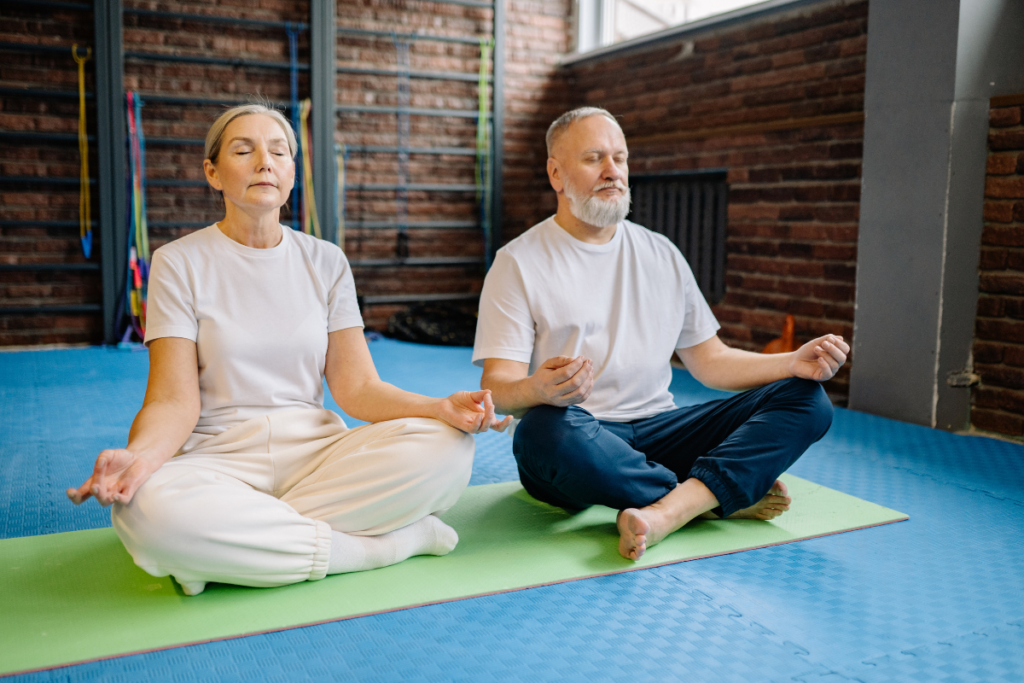
Mindfulness meditation focuses on the present moment. You sit comfortably and pay attention to your breathing. If your mind wanders, you gently bring your focus back. This is one of the most popular meditation techniques because it is simple and practical. It helps improve awareness and reduce daily stress.
How to Practice?
- Sit in a quiet place
- Close your eyes
- Focus on slow breathing
- Observe thoughts without judgment
Practicing for 10 minutes daily can create noticeable calmness.
2. Guided Meditation
Guided meditation involves listening to a calm voice that leads you through relaxation steps. You may imagine peaceful scenes like beaches or forests. This type of meditation technique is helpful for beginners because it provides clear instructions. It is also useful before sleep.
3. Loving-Kindness Meditation
Loving-kindness meditation encourages positive emotions. In this practice, you repeat phrases such as “May I be happy” and “May others be safe.” This method builds compassion and reduces anger. Many people use it to strengthen relationships and emotional health.
4. Body Scan Meditation
Body scan meditation involves slowly focusing on different parts of your body. You notice tension and gently release it. This meditation technique is effective for relaxation and better sleep. It increases awareness of physical sensations.
5. Breathing Meditation
Breathing meditation is one of the easiest meditation techniques. You focus only on your breath. Count each inhale and exhale slowly. This practice helps calm anxiety and improve concentration. It can be done anywhere, even during short breaks at work.
6. Movement Meditation
Not all meditation techniques require sitting still. Movement meditation includes slow walking or gentle stretching while staying fully aware. Practices such as yoga combine breathing and body movement. These techniques improve flexibility and mental focus at the same time.
7. Visualization Meditation
Visualization meditation uses mental images to create calmness. You imagine a peaceful environment or a successful future goal. This meditation technique supports confidence and emotional strength. It is often used before important events or presentations.
Benefits of Meditation Techniques
Regular practice of meditation techniques offers many advantages.
First, stress levels decrease. Deep breathing lowers the heart rate and relaxes muscles. Second, focus improves. When the mind becomes trained to stay present, concentration naturally increases. Emotional balance is another major benefit. Meditation teaches you to pause before reacting. This helps in managing anger and frustration. Sleep quality can also improve because the body learns to relax more easily. Research suggests meditation techniques may support heart health and reduce blood pressure. Over time, these small improvements add up to better overall wellness.
How to Start a Daily Practice?
Starting meditation techniques does not need to be complicated. Follow these simple steps: Choose a quiet place where you will not be disturbed. Sit comfortably with your back straight. Begin with five minutes per day. Focus on breathing slowly. Consistency matters more than duration. Practicing daily for a short time is better than practicing once a week for a long time. If your mind wanders, do not feel discouraged. This is normal. Gently return your focus to your breath. Morning and evening are the best times for meditation techniques because the environment is usually calm.
Common Challenges and Simple Solutions
Beginners often face difficulty staying focused. The mind naturally produces thoughts. Instead of fighting them, observe them gently. Some people feel restless while sitting. In that case, try movement meditation or shorter sessions. Another challenge is finding time. Even five minutes during lunch breaks can help. Small daily efforts create long-term change.
Building a Long-Term Habit
To maintain meditation techniques as a habit, create a fixed routine. Set a reminder at the same time each day. Use a calm corner in your home. You may keep a simple journal to track your progress. Write how you feel before and after meditation. Over time, you will notice positive changes in mood and clarity.
Conclusion
Meditation techniques are powerful tools for improving mental clarity, emotional balance, and daily calm. They are simple to learn and easy to practice at home. Whether you choose mindfulness, breathing exercises, or guided sessions, the key is consistency. In a world full of distractions, taking a few quiet minutes each day can transform your mindset. Meditation techniques support inner peace and a stronger focus. Start small, stay patient, and allow the benefits to grow naturally over time.
For more helpful content, the rest can visit my website: https://pti.news/
1. What are meditation techniques?
Meditation techniques are simple mental practices that improve focus and reduce stress.
2. How long should I meditate daily?
Start with 5–10 minutes daily and increase gradually.
3. Can beginners practice meditation techniques?
Yes, beginners can easily start with breathing or guided meditation.
4. Do meditation techniques improve sleep?
Yes, regular practice can help calm the mind before bedtime.
5. Is meditation safe for everyone?
Yes, meditation is generally safe, but serious mental health concerns require professional advice.
Informational Table on Meditation Techniques
| Meditation Type | Main Focus | Ideal Duration | Key Benefit |
| Mindfulness | Present awareness | 10–20 mins | Reduces stress |
| Breathing | Slow breathing | 5–15 mins | Calms anxiety |
| Loving-Kindness | Positive emotions | 10–15 mins | Improves compassion |
| Body Scan | Physical relaxation | 10–20 mins | Better sleep |
| Visualization | Mental imagery | 10–15 mins | Boosts confidence |
| Movement Meditation | Gentle body awareness | 15–30 mins | Improves flexibility |
| Guided Meditation | Audio instructions | 10–20 mins | Beginner-friendly |